Get Residential Siding Installation
Residential siding installation services help property owners upgrade or replace worn, damaged, or outdated siding on homes, including various materials like vinyl, wood, or fiber cement.
Residential siding installation is a practical upgrade for property owners looking to enhance the appearance and durability of their homes. Whether planning a renovation or preparing for a new build, exploring local contractors who specialize in siding can provide valuable insights into available materials, styles, and installation techniques. Comparing options within the community helps ensure the project aligns with both aesthetic preferences and functional needs, making it easier to select the right solution for the property.
For those considering siding updates, understanding the benefits of different materials and the services offered by local contractors can support informed decision-making. Property owners often turn to experienced service providers in the area to handle the complexities of installation and ensure the work meets quality standards. Continuing to explore local options can lead to finding skilled professionals ready to assist with planning and executing a successful siding project.
- Vinyl Siding Replacement - when existing siding is damaged, outdated, or no longer provides adequate protection.
- Fiber Cement Siding Installation - for homeowners seeking durable and low-maintenance siding options for their residence.
- Wood Siding Repair - needed when wood siding has rotted, warped, or been affected by pests.
- Insulated Siding Installation - to improve energy efficiency and curb appeal during a siding upgrade.
- Shake and Shingle Siding - for those wanting a textured, classic look that enhances the home's exterior style.

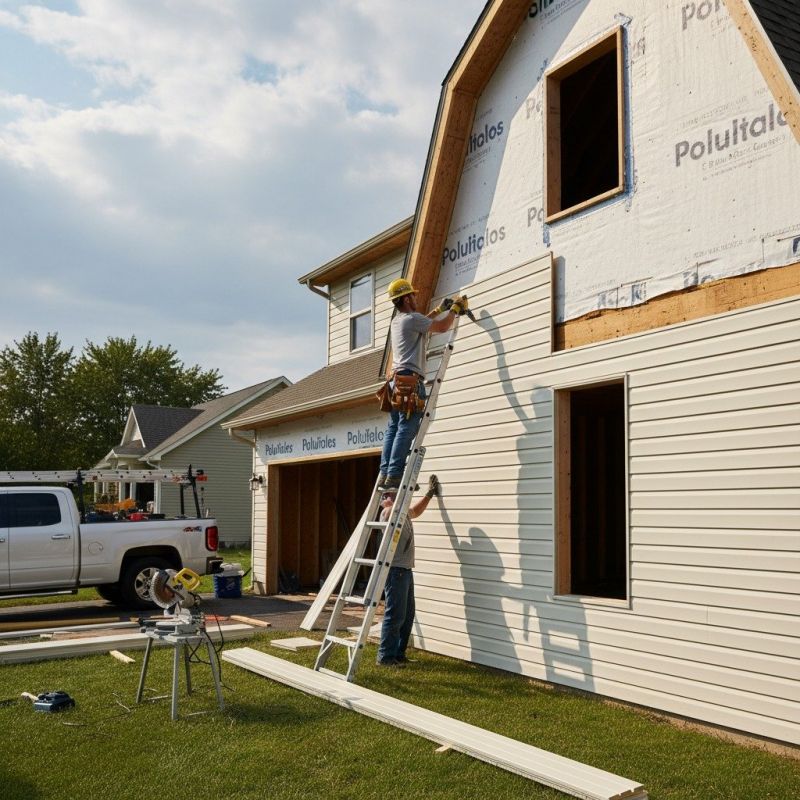
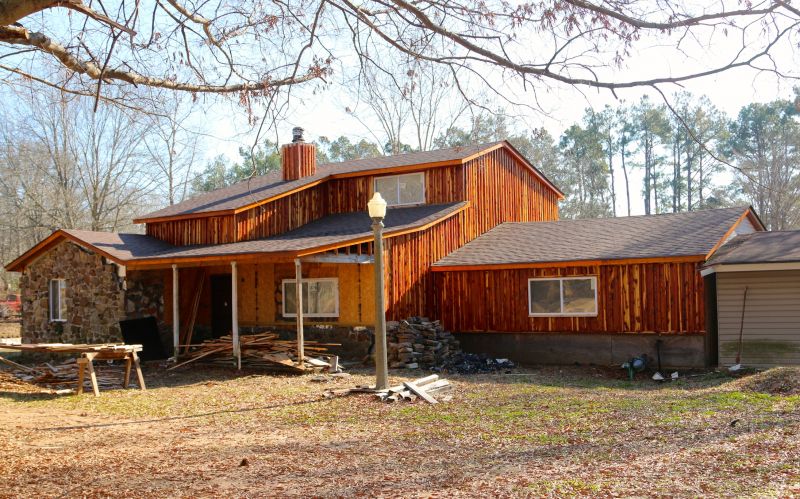
Residential siding installation involves attaching new exterior cladding to the outside of a home to improve its appearance and protect it from the elements. This service typically includes removing old or damaged siding, preparing the surface, and carefully installing the new material to ensure a durable, weather-resistant exterior. Professional contractors focus on proper installation techniques to prevent issues like water infiltration, warping, or pest intrusion, helping homeowners maintain the structural integrity of their property.
Siding installation can address a variety of common problems homeowners face with their exteriors. Over time, siding may become cracked, faded, or warped due to exposure to sun, rain, and wind. It can also suffer from rot or pest damage, especially if the existing material has deteriorated. Upgrading or replacing siding can enhance energy efficiency by providing better insulation, reduce maintenance needs, and improve curb appeal by giving the home a fresh, updated look.
This service is suitable for a wide range of property types, including single-family homes, townhouses, and multi-family residences. Homes with outdated, damaged, or inefficient siding are often candidates for replacement. Whether a property has vinyl, wood, fiber cement, or other siding materials, local contractors can help select the right options and ensure proper installation. Siding upgrades are common during renovations or as part of routine maintenance to keep a home looking attractive and functioning well.
Homeowners may consider siding installation when noticing signs of trouble like cracking, peeling paint, or increased energy bills. It’s also a good choice if the exterior looks weathered or outdated, or if pests have caused damage. Properly installed siding can serve as a protective barrier against weather and pests, while also enhancing the overall appearance of the property. Connecting with experienced local service providers can help determine the best siding options for specific needs and ensure the work is completed to high standards.
The overview below groups typical Residential Siding Installation projects into broad ranges so you can see how smaller, mid-sized, and larger jobs often compare in your area.
In many markets, a large share of routine jobs stays in the lower and middle ranges, while only a smaller percentage of projects moves into the highest bands when the work is more complex or site conditions are harder than average.
Smaller Repairs - Minor siding repairs, such as replacing a few damaged panels or fixing loose boards, typically range from $250-$600. Many routine repairs fall within this middle range, with fewer projects reaching the higher end for more extensive fixes.
Partial Replacement - Replacing sections of siding on a single wall or small area usually costs between $1,000-$3,500. Local contractors often handle these projects efficiently within this range, depending on the siding material and scope.
Full Siding Replacement - Complete siding installation for an average-sized home can range from $5,000-$15,000. Larger or more complex homes may push costs higher, but most projects fall into the mid-tier of this spectrum.
High-End or Custom Projects - Premium materials or custom designs for residential siding can exceed $20,000. These projects are less common and typically involve detailed work or high-end materials, leading to higher costs.
Actual totals will depend on details like access to the work area, the scope of the project, and the materials selected, so use these as general starting points rather than exact figures.
Exterior Wall Cladding - Local contractors experienced in installing various types of exterior wall coverings often have skills applicable to residential siding projects, ensuring proper attachment and weather resistance.
Home Renovation and Remodeling - Renovation projects that involve exterior updates require planning and skill sets similar to siding installation, including surface preparation and material handling.
Roofing Installation and Repair - Roofing projects share tools and techniques with siding work, particularly in flashing, sealing, and weatherproofing exterior surfaces.
Insulation and Weatherproofing - Installing insulation components often complements siding installation, as both require knowledge of building envelopes and moisture barriers.
Deck and Porch Construction - Building decks and porches involves carpentry skills and exterior planning that are relevant to installing durable, weather-resistant siding.
Gutter and Drainage System Installation - Properly installing gutters and drainage systems supports siding longevity by managing water flow and preventing damage, requiring similar planning and execution skills.
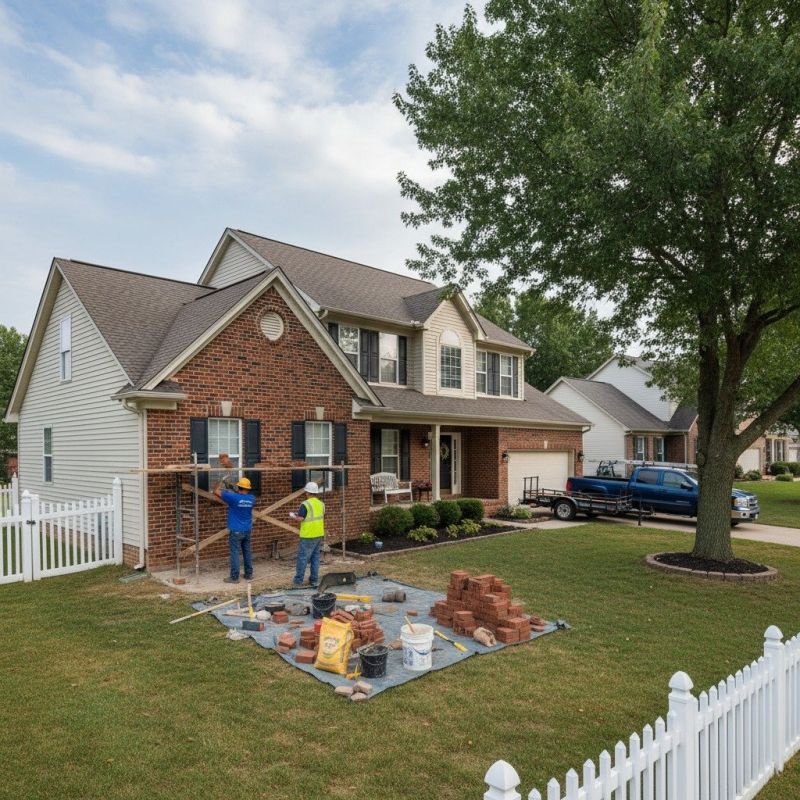
When comparing residential siding installation service providers, it’s important to consider their experience with similar projects. Homeowners should seek out local contractors who have a proven track record of handling siding work comparable to the scope and style of their home. An experienced service provider will be familiar with various siding materials, installation techniques, and common challenges, which can contribute to a smoother process and a quality outcome. Checking how long a contractor has been working in the area and their familiarity with local building codes and climate conditions can also provide insight into their capability to deliver a successful project.
Clear, written expectations are essential when evaluating siding installation services. Homeowners should look for providers who can offer detailed proposals that outline the scope of work, materials to be used, and any relevant warranties or guarantees. Having this information in writing helps prevent misunderstandings and ensures everyone is aligned on the project’s goals. It’s also helpful to inquire about the contractor’s process for handling unexpected issues or changes during the project, as transparency in communication can lead to a more positive experience.
Reputable references and good communication are key factors in selecting a reliable local contractor. Homeowners are encouraged to ask service providers for references from past clients with similar projects and to follow up with those references to learn about their experiences. Additionally, effective communication during the initial stages can indicate how responsive and transparent a contractor will be throughout the project. A service provider who listens carefully, answers questions clearly, and maintains open lines of communication is more likely to deliver a satisfactory siding installation experience. Remember, this platform helps connect homeowners with local options, not perform the work itself.
Property owners use Residential Siding Installation services for practical projects around their homes and businesses. This guide focuses on everyday jobs and straightforward project options.
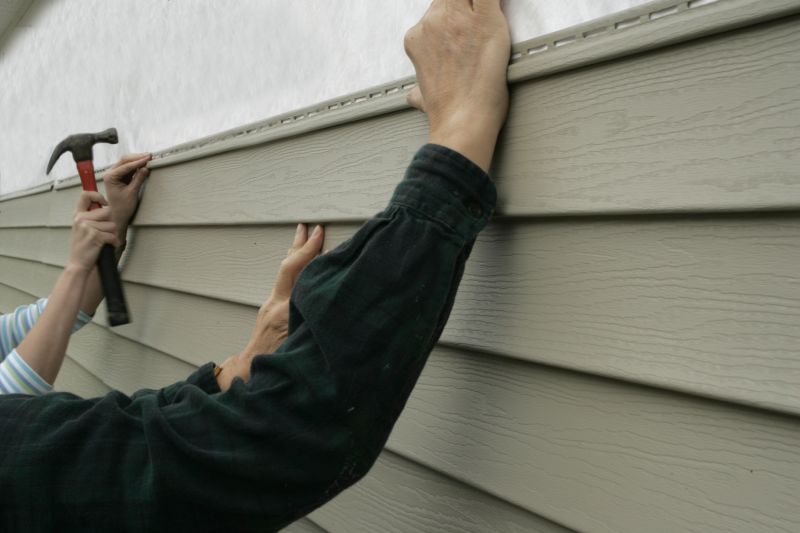
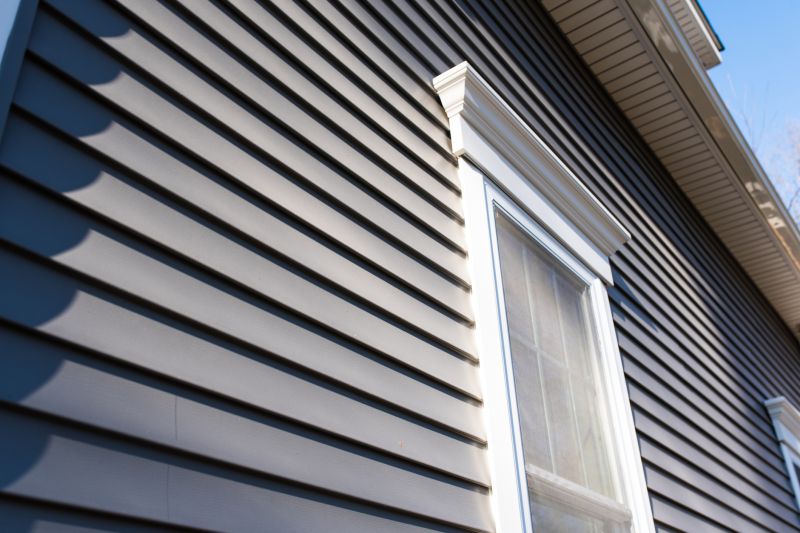
Residential siding installation is often sought by property owners dealing with damaged, outdated, or worn exterior surfaces. Over time, siding can become cracked, warped, or faded, affecting both the appearance and protection of a home. Local contractors can help replace or upgrade siding to improve curb appeal and ensure the home is better protected against weather elements. Additionally, homeowners considering a renovation or preparing a property for sale may look for siding services to boost the overall look and value of their home.
Property owners might also seek siding installation services when building new homes or adding extensions, ensuring a cohesive exterior look. Others may need siding updates to address issues like mold, pests, or drafts that compromise comfort and energy efficiency. Local service providers are available to handle a variety of project situations, offering solutions tailored to individual needs and helping maintain the integrity and aesthetic of residential properties.
What types of siding materials do local contractors install? Local contractors typically install a variety of siding materials including vinyl, fiber cement, wood, and metal options to suit different preferences and home styles.
How can I determine which siding is best for my home? Consulting with local service providers can help evaluate your home's architecture, climate considerations, and personal style to recommend suitable siding options.
Are there any preparations needed before siding installation? Most local contractors will advise on clearing the area, inspecting existing siding, and ensuring access to the work site to facilitate a smooth installation process.
What maintenance is required for different types of residential siding? Maintenance needs vary by material; for example, vinyl may require occasional cleaning, while wood siding might need periodic sealing or painting, as advised by local service providers.
Do local contractors offer warranties or guarantees on siding installation? Warranty offerings depend on the contractor and material chosen; it’s recommended to discuss warranty options directly with local service providers before proceeding.
Enhance curb appeal - Property owners can improve the appearance of their home by updating or replacing existing siding with fresh, modern materials.
Increase energy efficiency - Upgrading siding can help insulate a home better, reducing energy costs and creating a more comfortable living environment.
Prepare for weather changes - Installing durable siding provides added protection against harsh weather conditions, helping to prevent damage over time.
Complete a home renovation - Siding installation can be part of a larger renovation project to modernize or customize the exterior of a residence.
If you are thinking about Residential Siding Installation for a property, this guide is meant to help you understand the work, the typical project types, and how different options might fit your plans.
When you are ready, you can use the quote form on this page to share a few details about your project. From there, local pros can review the basics and respond with options that match what you have in mind.